Your milk drink exemption ends in January 2028. Here's what you need to do
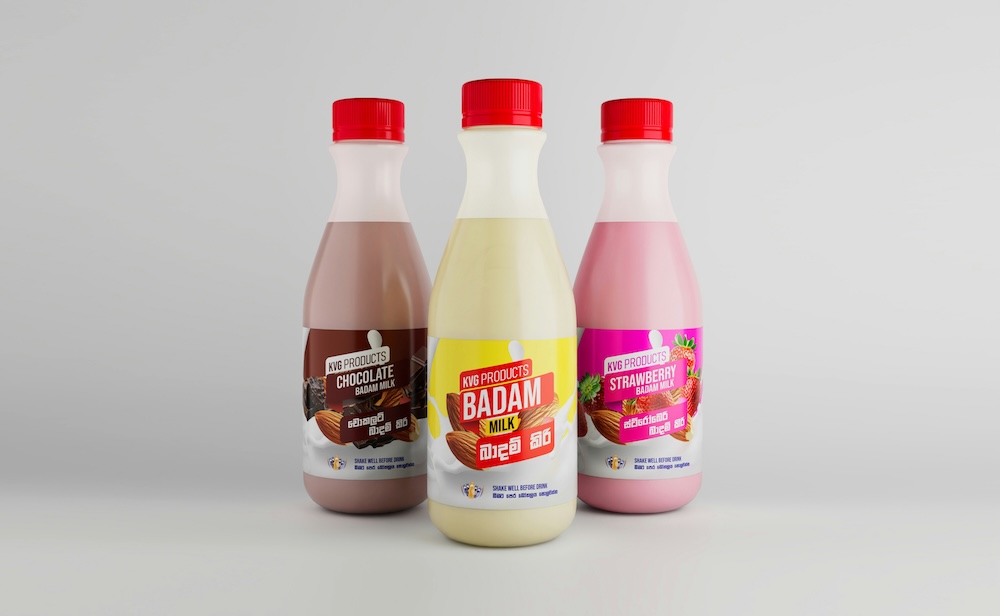
Milk-based drinks have had a free pass from the Soft Drinks Industry Levy since 2018. That's seven years without a sugar tax if your product is at least 75% milk by volume. It was genuinely good policy when it started, built around the calcium argument for teenage girls.
From 1 January 2028, that changes. The exemption is gone. If you make flavoured milk, milkshake, yoghurt drink, ready-to-drink coffee, or a plant-based alternative with added sugar, you're in scope. The government confirmed this at Budget 2025.
You have 18 months to reformulate or prepare to pay. About 203 milk-based drink products (93% of category sales) currently exceed the new 4.5g sugar threshold. Most of you will need to reformulate.
What's changing, and when
On 1 January 2028, two things happen to SDIL:
The threshold drops. Right now, SDIL kicks in at 5g total sugar per 100ml. From 2028, it's 4.5g per 100ml. That's the lower band. Drinks between 4.5g and 7.9g per 100ml pay the standard rate (19.4p per litre). Drinks with 8g or more pay the higher rate (25.9p per litre).
Milk drinks lose their exemption. Milk-based drinks and milk substitute drinks with added sugar come into scope for the first time. This includes milkshakes, flavoured milks, chocolate milk, sweetened yoghurt drinks, ready-to-drink coffees and lattes, and plant-based alternatives with added sugar and fortification.
The government moved the implementation date from April 2027 to January 2028 specifically because of the concurrent Deposit Return Scheme rollout. It's giving you 18 months rather than 12, not because it's generous, but because the industry asked for breathing room while managing DRS at the same time.
The milk drink exemption, explained
Since April 2018, milk-based drinks have been outside SDIL if they were at least 75% milk by volume. Milk substitute drinks got the same pass if they contained at least 120mg of calcium per 100ml.
The calcium argument made sense in 2018. Teenage girls weren't getting enough. But recent research shows milk-based drinks only provide about 3.5% of calcium intake for children aged 11 to 18. The government looked at the data and decided the exemption wasn't worth it when weighed against the obesity problem SDIL is supposed to solve.
All milk drinks with added sugar will be in scope from 2028.
The lactose allowance: what replaces the exemption
Here's the complexity. Natural lactose in milk isn't a public health concern. It's not added sugar. So the government introduced a lactose allowance. Lactose that occurs naturally in milk, milk powder, or other milk products won't count toward your SDIL liability.
This is good news if you make a plain chocolate milk at 4g added sugar plus 1.5g lactose from the milk itself. Your taxable sugar is 4g, which is below the 4.5g threshold. No levy.
The allowance does NOT apply to:
- Lactose added as a separate ingredient (lactose powder sprinkled in)
- Lactose from whey powder (often added for protein fortification)
- Lactose in lactose-free products where the lactose has been broken down to glucose and galactose via lactase (a common step in making lactose-free milk)
Only free sugars count. Bound sugars (lactose in its natural form) don't.
The calculation is straightforward in theory. Work out your total sugar content. Subtract the lactose from milk and milk products. If what's left is 4.5g or above per 100ml, you pay the levy.
In practice, it's harder. You need accurate nutrient data. If your ingredient supplier doesn't specify lactose content in their milk powder, you have to estimate from standard tables or test. That's a compliance headache most brands haven't planned for yet.
What this means for milk-based drinks
If you make flavoured milk, milkshake, yoghurt drink, or ready-to-drink coffee, you need to audit your sugar right now. Calculate total sugar, subtract allowable lactose, see where you land.
Most of your category is above 4.5g. That's why about 203 products need reformulation to avoid the levy. You're probably in this group.
Your options are:
Reformulate to get below 4.5g. This is the most common route. It means less added sugar, different sweetening strategy, or both. If your product is at 5.5g (common for flavoured milks), you need to cut 1g of sugar per 100ml. That's 10ml of product size. It's achievable. Not easy, but achievable.
Pay the levy. If your brand positioning depends on a certain taste profile and reformulation damages it, you can absorb the levy cost. The standard rate is 19.4p per litre. On a 200ml bottle, that's about 4p per unit. Retail price elasticity is real. You need to model whether the price increase kills volume.
Combination approach. Reformulate some lines, leave premium or seasonal lines at higher sugar and absorb the levy.
The risk: if you wait until January 2028 to decide, HMRC will expect you to be compliant on day one. There's no grace period. Any milk-based drink liable for SDIL and not registering by then is in breach.
What this means for milk substitute drinks
Plant-based milk alternatives lose their exemption too. If your oat, almond, or soya drink has added sugar or calcium fortification, it's in scope from 2028.
The rule here is tighter than for milk-based drinks. The lactose allowance doesn't apply to plant-based products. Instead, only sugars derived naturally from the principal ingredient (oats, almonds, soya) can be disregarded. Added sugars always count.
A soya drink naturally contains about 0.5g sugar per 100ml from the soya. If you add another 4g of sugar and fortify with calcium, your taxable sugar is 4g. Below threshold. But if you add 5g on top of the natural 0.5g, you're at 5.5g taxable, and you're liable.
The definition of "derived naturally from the principal ingredient" matters. If you're adding sugar to bump up the taste, it's added sugar. If you're getting sweetness from concentrated juice extract of the principal ingredient (which is rare and expensive), it might fall under the allowance. This is technical and worth clarifying with your legal advisor if you're borderline.
What to do now
Audit your product. Get recent test data on total sugar and lactose (if milk-based). Calculate your position against 4.5g. Check your milk powder supplier's lactose specification. If it's vague, request full nutrient data or commission a test.
Model reformulation scenarios. Can you hit 4.5g without damaging the product? Test it. Sugar plays functional roles in flavour, texture, mouthfeel, and freeze-point depression in ice-based drinks. Cutting 1g of sugar isn't always a simple swap for an alternative sweetener.
Understand your levy liability. If you end up above 4.5g, calculate the annual levy cost. It's 19.4p per litre for lower band drinks. Work backwards from retail price. How much price rise can your category absorb without killing volume? Model the commercial impact.
Plan your communication. Reformulation creates a brand moment. Are you positioning it as product improvement, health-led innovation, or just compliance? That message should be planned now, not rushed in 2027.
Engage with trade bodies. The British Soft Drinks Association and Dairy UK have both made submissions to HMRC. They're working on technical guidance. Stay plugged in.
Consider packaging changes. If you reformulate, you might update your back-of-pack nutrition. This is a good time to think about any other tweaks (clean label ingredient swaps, sustainability changes, etc) so you're not reprinting labels twice.
Don't wait for January 2027 to start work. The compliance window is short. January 2028 comes fast.
FAQ
Q: If I reformulate below 4.5g, is there any transition period? No. If you're liable on 31 December 2027, you're liable on 1 January 2028. You must have reformulated and updated your registration before the deadline.
Q: I make a lactose-free milk. Does the lactose allowance apply? Not if the lactose has been broken down to glucose and galactose via lactase. That's treated as added sugar for SDIL purposes. Lactose-free milks without any added sugar remain out of scope (because they have no added sugar), but if you've added sugar to a lactose-free milk, all that sugar counts.
Q: My plant-based milk has oat flour as an ingredient. How much natural sugar does that count as? Just the naturally occurring sugars in the oat flour you're using, not the oats you could have used at higher levels. If your specification is 5g oat flour per 100ml of drink, and oat flour contains 0.8g sugar per gram, you're looking at about 4g natural sugar. Anything you add on top is added sugar for SDIL.
Q: Who pays SDIL, the brand or the contract manufacturer? Legally, it's the packager or importer. For UK-made brands, that's usually you. For imported products, HMRC expects the UK importer to register and pay. Make sure your contracts clarify this. If you're importing and your overseas supplier should be paying, you still need to register as a backup.
Q: Do I need to notify HMRC if I reformulate my product to fall below 4.5g? You need to update your SDIL registration to reflect any changes. HMRC guidance on this will be published before January 2028. Keep an eye on the gov.uk SDIL page.
Q: What if my product is exported only? If your products don't go to the UK market, SDIL doesn't apply to those batches. If you make for both export and UK, you'll have UK-specific SKUs subject to the levy and export-only SKUs that aren't. Register only for the UK liability.
Q: Can I appeal the levy? You can challenge HMRC's interpretation of the rules (for instance, whether a particular ingredient counts as added sugar), but you can't appeal the government's policy to impose the levy. If you think your product has been miscategorised, document the reasoning and engage with HMRC's technical team early.
What's next
This post focuses on the milk drink exemption removal and the lactose allowance. If you're building a reformulation strategy, you'll also want to think about ingredient substitution (which sweetener, what functional replacements for the sugar you're cutting), label claims (what can you say about "reduced sugar" if you've reformulated), and HFSS impact (does cutting sugar move your product onto the HFSS list and change its shelf placement in retailers like Tesco).
The January 2028 SDIL change is the deadline. But smart brands are moving now. Want to explore reformulations, try Nibblr for free here to help you.